
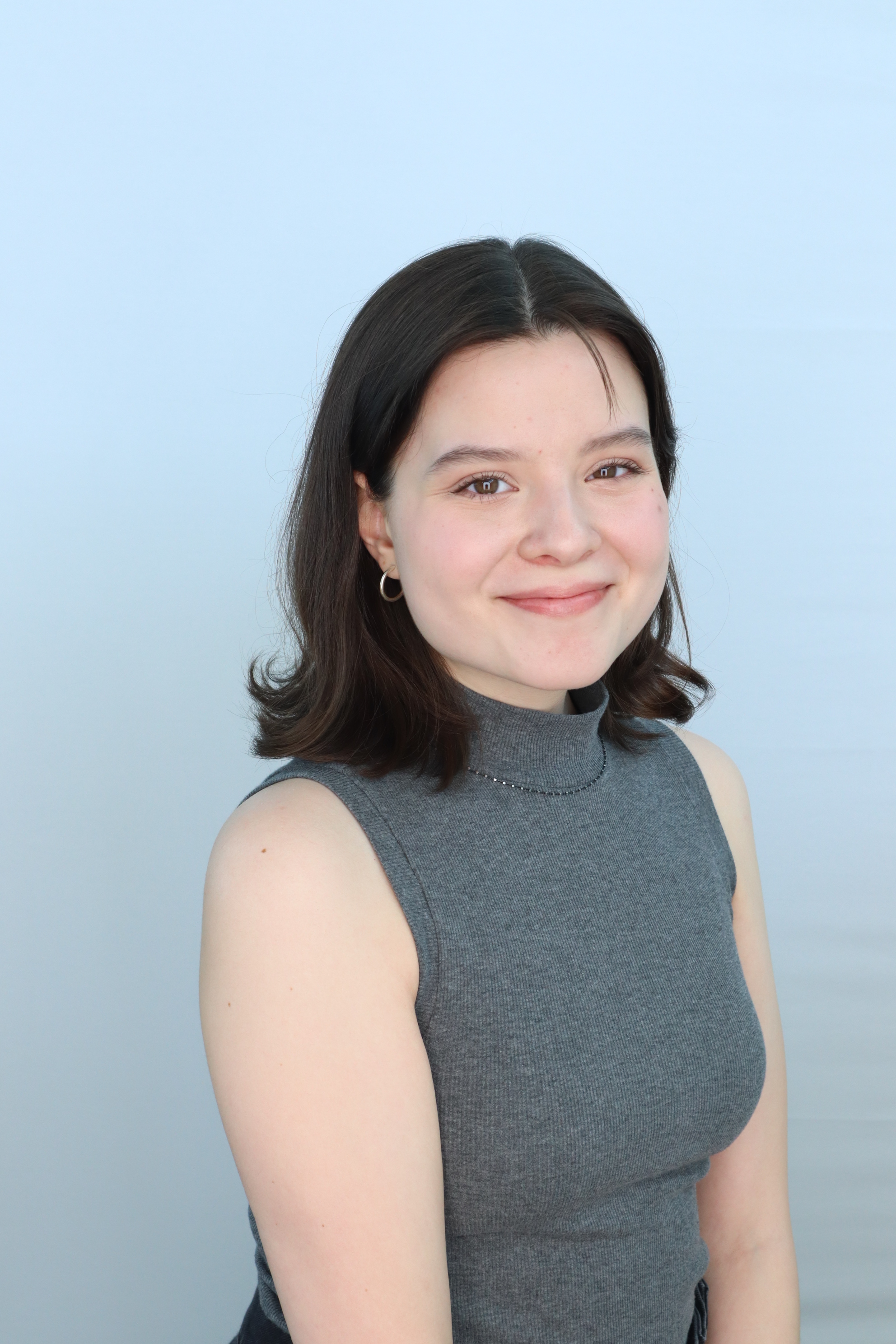
Honors English Lang Arts
Online for the 2026-2027 School Year
Teacher: Beatrice Crist
Email: msbcrist@gmail.com
Email: msbcrist@gmail.com
About: Students will learn to read critically (from a myriad of genres), then dissect, analyze, and discuss the written word—and ultimately craft it as well. We’ll gain experience in literary analysis (no prior experience necessary) and crafting an argument as to whether or not a piece achieved its intended effect, as well as with creating our own creative and impactful written works. This lively and challenging course is great for avid readers, creative writers, and students preparing to take AP Literature/Language or an intro college English class.
Instructors: Beatrice Crist
Course Description: Honors English Language Arts will cultivate analytical and critical reading, persuasive and skilled writing, and outside-of-the-box, creative literary thinking.
It’s no secret that the written word—from books and treatises, to songs and speeches—has changed the world. A piece of writing can spark a revolution, educate the public, or change someone’s life. We all know writing can be powerful, exciting, moving, suspenseful, enlightening, and informative (or maddening, mind-numbing, offensive, and unoriginal), but how? And why—what purpose does this work have? Why did the author write it? And how did they achieve their effect?
In our course, students will learn how to dissect, analyze, and discuss the written word…and ultimately, to craft it as well. Through literary analysis (no prior experience necessary), we’ll learn how to peel back the layers of the strategies, devices, and approaches writers take (whether they’re writing a news story, a play, or a novel) that make you laugh, cry, or throw the book across the room.
We’ll learn how to explain and analyze, with depth and complexity, an author’s goal and how to debate whether they have achieved it or failed to. And, through essay writing, discussion posts/class discussions, peer critiquing, personal narratives, persuasive writing, storytelling, and more (for example, trying your own hand at poetry or screenwriting), you’ll learn how to do it too.
Who should apply: This course is most suitable for high-schoolers who are already fairly advanced writers and readers, but want a preliminary step before tackling the AP world.
This course might be particularly enjoyable for students who love…
- To read and write!
- Storytelling and creativity (in all its forms)
- Speaking out, sharing their passions, and delving deeper into the topics that interest them
- Being opinionated and engaging in respectful academic debate, particularly about the “big issues” that affect our world today
- Making their own schedules and driving themselves internally to improve
- Playing with and manipulating the written word (Just think… with only 26 characters we can write poetry, persuade an audience, comfort a friend, or craft a whole new world. Language is the greatest—and cheapest—weapon, medicine, and mode of transportation we have.)
If you’ve been told you talk too much (or think too much), stayed up until sunrise reading, written texts (or emails) that seem to scroll on forever, been engrossed in the storyline of a video game, or found yourself analyzing the lyrics of your favorite song, you’ll probably thrive in this course.
This course is not the best fit for students who need remedial help with writing, reading, or grammar skills. It’s also likely not the best fit for students taking any other reading or writing heavy course (such as another English course).
What to expect:
- Lots of reading! We’ll read everything from books and poems, to screenplays and video game scripts, online articles, personal essays, and more. You’ll also read a lot of content written by your two co-teachers, where we’ll discuss the things you’re learning and your assignments. We promise to do our best not to bore you; there will be lots of flexibility in choosing your own reading content from lists we provide, and plenty of variety in what we read, the era it’s from, and who wrote it. We like to focus on writing that has had an impact on the world (although, what writing hasn’t?) so that we can keep in mind that language isn’t just for entertainment or for analysis—it’s also for changing ourselves, others, and the world.
- Lots of writing! You’ll respond to questions and discussion posts, reflect on your own writing and progress, and learn to write essays not only quickly and efficiently, but also with clarity, complexity, and persuasion. We’ll also write stories, poems, and narratives, with flexibility in topic (what interests you?) and room for expansive creativity–because we’re strong believers that writing is (or at least, should be) fun.
- Editing! Through peer critiquing, editing, and commenting on each other’s work, you’ll get better at analyzing and editing your own work. We’ll learn how to plan out and implement broad revisions—e.g. restructuring an essay or tweaking the plot of a story—as well as copy edits, such as finding grammatical errors. You’ll do a lot of revising and rewriting of your own work as well; we’ll learn how to take a piece through a couple of iterations until it becomes the best version of itself.
- Challenging yourself. Our readings will explore thought-provoking topics and we’ll also consider the context of what we read. When was it written, by whom, and why? Was it edgy or innovative for its time? Did it have an effect on society? You’ll be tasked with thinking deeply and sharing your thoughts in the context of lively intellectual discussion.
- Friendly debate. We will learn persuasive writing, how to academically share our own opinions (or even craft them so that it seems like no opinions are involved!), and how to create an argument based on evidence, ethics, and empathy. To do so, we’ll also engage in class discussions—and likelihood has it, we’re going to disagree with each other! But disagreement is not only unavoidable, it’s also the crux of connection. When we start with where we disagree—and approach each other with respect and an open mind—we can almost always backtrack to what we have in common.
- Independence. While we will be teaching you and there will be plenty of deadlines, you’ll be learning from (and with) each other, choosing a lot of your own readings (within course parameters), forming book clubs, analyzing materials together, making your own schedule, and diving into your unique passions.
- A solid time commitment. This course is probably best for 9th and 10th graders who intend to take AP Literature or AP Language/Composition after this course. You can expect to do about 5-10 hours of work per week. The course is asynchronous, so you’re free to make your own schedule. Students are also welcome to reach out to me if there’s scheduling issues, travel/family/extracurricular demands, illness, etc.—I am flexible and willing to modify deadlines, workload, etc. so long as students are communicative, honest, and respectful.
Required texts/materials:
All required texts will be provided as PDFs to students, but they will also be notified in advance with plenty of time to buy a hardcopy if desired.
Examples of reading material include essays by Mary Oliver, selected Shakespeare texts, Greek classics such as Antigone, gothic and romantic literature, and modern American literature (e.g. Shirley Jackson’s “We Have Always Lived in the Castle").
We will also study literature via a multi-media lens, including visual art, music, and more.
Registration deadline: Applications will be accepted through August 10th or until the class is full.
Tech needs: Students must have full web access and a functioning word processor app (e.g. Pages, Microsoft, Google Docs, etc.). Students will need a Gmail account (free) to access Google Meet.
Course fee: $900 Early Bird / $950 After July 1
Audit fee: $375 (No deadline; students may join at any point in the year and participate in all parts of the course except instructor feedback, grades, and credit.)
Length of course: Monday, Sept. 1, 2026 to Wednesday, May 13, 2027
Breaks: No assignments will be due on U.S. National Holidays. Students will also have one week off for fall break, a few days off for Thanksgiving, around 2.5 weeks over late December-New Years, and one week for Spring break.
About Instructors:
Beatrice Crist graduated from Grinnell College with a BA in English Literature. With extensive experience in writing, editing, arts leadership, and communication, Beatrice has previously worked as a staff writer and arts editor for The Scarlet and Black, a publishing assistant at Horse and Buggy Press, and a grant-writer and research assistant for Duke University’s Professor Torry Bend. In the theatre and the arts, she has acted in over a dozen live performances, taught workshops, trained at the Neighborhood Playhouse and the American Shakespeare Center, and exhibited artwork at the Tainan Art Museum in Taiwan. She looks forward to sharing her enthusiasm for language with her students. Beatrice is proud AP Homeschoolers alum.